British Art Lighting

British Art – Use of Lighting
Choosing the right lighting for your British Art is essential for showcasing each piece at its best. Correct lighting for British paintings helps reveal the full depth, colour and detail created by British artists, while also protecting the long‑term value of your British art investment. Although we are not lighting specialists, we always encourage collectors to think carefully about lighting when hanging a painting — the right light can transform how a work is experienced.
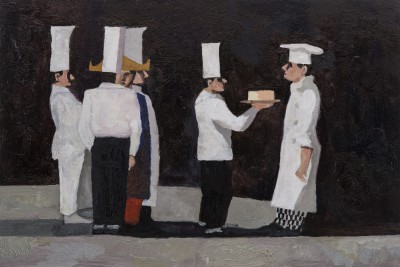
Light and shade play a crucial role in bringing contemporary British paintings to life. Artists such as Louis McNally use light to create atmosphere, depth and drama. Good lighting in your home allows you to fully appreciate these subtleties.
To enhance the visual impact of your British art, additional lighting is often needed. Even small changes in direction or type of light can dramatically alter how a painting appears. Proper lighting can reveal nuances, textures and brushwork that may be less visible in natural daylight.
Natural Light and British Art
Natural light can sometimes illuminate a painting beautifully, but it is inconsistent and can be harmful. British paintings, limited edition prints and works on paper are particularly vulnerable to UV and infrared rays. Over time, sunlight can fade watercolours, pastels, prints and photographs. Watercolour paintings especially should never be placed in direct sunlight, as they are among the most light‑sensitive forms of British art.
To protect your British art from light damage, avoid lighting your paintings continuously. If you want to be especially careful, only illuminate your artwork when viewing it.
Modern LED Lighting for British Art
In recent years, modern LED lighting has become the preferred choice for illuminating British art. LEDs offer several advantages over traditional incandescent, fluorescent and halogen bulbs, making them ideal for both contemporary and traditional British paintings.
Why LED Lighting Is Better for British Art
- Low UV and infrared output: High‑quality LEDs emit negligible UV and infrared radiation, reducing the risk of fading and heat damage.
- Cool operation: LEDs produce far less heat than halogen bulbs, making them safer for delicate artworks.
- Energy efficiency: LEDs consume significantly less energy, making them cost‑effective for long‑term use.
- Long lifespan: LED bulbs last far longer than halogen or incandescent options, reducing maintenance.
- Consistent colour temperature: Modern LEDs offer stable, accurate colour rendering that enhances the appearance of British paintings.
Choosing the Right LED for British Paintings
Not all LEDs are equal. For the best results when lighting British art, look for:
- High CRI (Colour Rendering Index): Choose LEDs with a CRI of 90+ to ensure colours appear natural and accurate.
- Warm white (2700K–3000K): This colour temperature enhances warm tones without flattening cooler colours.
- Low‑glare or museum‑grade LEDs: Designed specifically for artwork, these provide even illumination without hotspots.
- Dimmable options: Allows you to control brightness and reduce long‑term light exposure.
LED picture lights, ceiling spots and track lighting are now widely used in galleries and homes because they provide excellent illumination without the risks associated with older lighting technologies.
Comparing LED, Halogen and Fluorescent Lighting
Incandescent lighting enhances warm tones but can flatten cooler colours. It also produces heat and is no longer recommended for British art.
Fluorescent lighting is generally unsuitable. It does not emit a full colour spectrum and often produces harsh glare.
Halogen lighting was once the preferred choice for illuminating British paintings due to its bright, clean light. However, halogen bulbs produce heat and some UV radiation. Modern LED technology now provides the same clarity with far less risk, making LEDs the superior option for most British artworks.
General Lighting Advice for British Art
Regardless of the lighting type you choose, remember that all light — natural or artificial — can damage artwork over time. Avoid leaving paintings illuminated for long periods, and never shine strong, direct light onto any artwork, especially works on paper.
A balanced approach is best. Avoid direct sunlight, minimise UV and infrared exposure, and use gentle, indirect lighting whenever possible.
Just as a frame and mount are chosen to complement a painting, lighting should enhance the artwork without overpowering it. Picture lights should always be smaller than the artwork they illuminate.
Summary
Finding the ideal light source for your British art can be challenging, but the right lighting will dramatically improve how your British artists’ work is viewed and enjoyed. Modern LED lighting offers the safest, most effective and most energy‑efficient solution for illuminating British paintings.
By following Red Rag Gallery art care advice, you can protect and enhance your British art investment while ensuring your paintings look their very best.